Appropriate physician relationship with patient

According to Iranian doctors in Los Angeles, good communication between doctor and patient is the foundation of good medical care. Research shows that most medical diagnoses and therapeutic decisions are based on information obtained from an interview with the patient, and the basis of the medical interview is effective communication. This occurs when the physician has the ability to communicate with the patient.
On the other hand, medicine is a profession that caot be done properly without the benefit of humanity, empathy and belief, and this makes physicians morally a special place.
In addition to the individual characteristics of the physician and the patient, social factors also affect the physician and patient's expectations and behavior. The patient's satisfaction from meeting with the doctor, following the instructions provided and providing the appropriate clinical diagnosis is the result of the visit of the physician and the patient.
The tests that lasting less than 10 minutes prevent proper contact and preventing a complete, sympathetic examination and reducing patient satisfaction. Of course, many physicians have a positive attitude toward the principle of communicating with patients, but they are lack of appropriate communication skills.
Here are some of these skills that have a great impact on effective communication between the doctor and the patient:
A suitable physical environment, such as: chairs that are neither too close nor too far, privacy, putting up a curtain for examination, etc.
Greetings: The first doctor's attitude to the patient's attraction, trust, or distrust is important. The first effect a doctor places on the patient is very important. In the first few minutes, the patient decides to feel comfortable. And it depends on how the doctor treats and behaves. Greetings will make the patient more rewarding and more effective.
Active listening: Using its skills include:
A: Attention Skills, such as physical mobility, for example by shaking his head or looking
B: Tracking skills such as using encouragement, short questions and silence of attention
C: Reflective skills such as explaining the content is said or reflecting emotions by saying such words are correct and understanding that the patient is aware that the physician's attention is completely toward him.
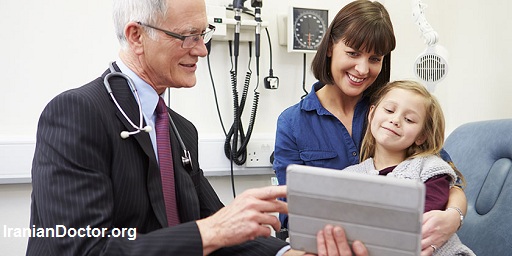
At the time of the exam, the doctor should treat the patient patiently, respectfully, intimately and kindly, and assure him that he understands his words. The doctor should also use the words understandable to the patient and avoid the use of specialized medical terms to make this communication more effective.
The cooperation between the doctor and the patient should be in one direction, and the treatment of the disease requires the collaboration and cooperation of both of them.